NPPF 2026: Commercial development and data centres
27 October 2026 · 3 min read
By Silas Willoughby, ABW Planning
 Planning Policy
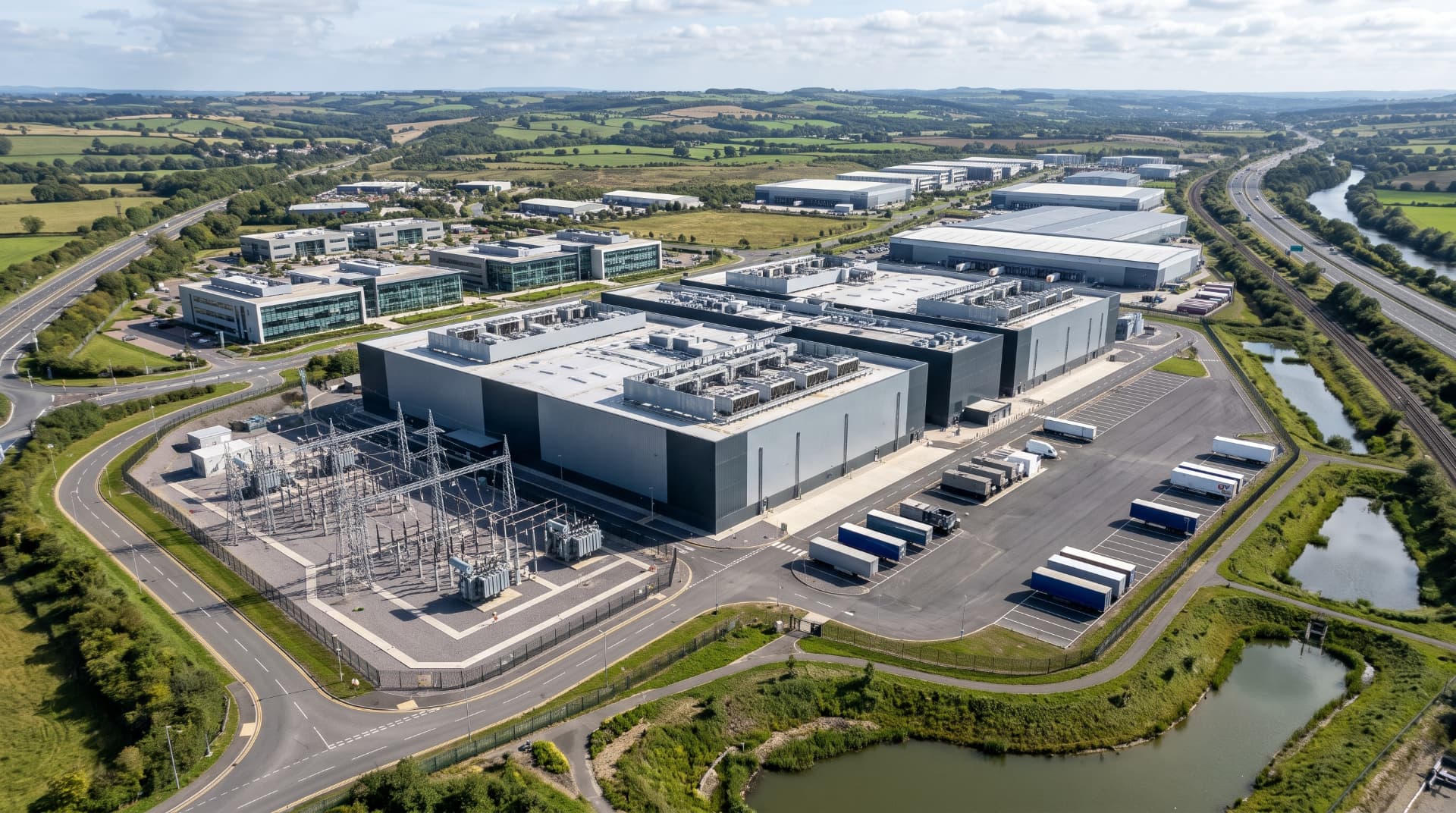
Policy E1 expects local plans to respond to the Industrial Strategy, Industrial Strategy Zones and AI Growth Zones, and to plan for the needs of a modern economy. It specifically refers to laboratories, technology and data-driven industries, campus development, data centres and their associated generating capacity, grid infrastructure and freight and logistics.
Policy E2 says substantial weight should be given to the economic benefits of commercial development which allows businesses to invest, expand or adapt.
Local plans are also told not to be unnecessarily prescriptive about the exact types of commercial uses or unit sizes that can go on particular sites unless there is a good reason to be.
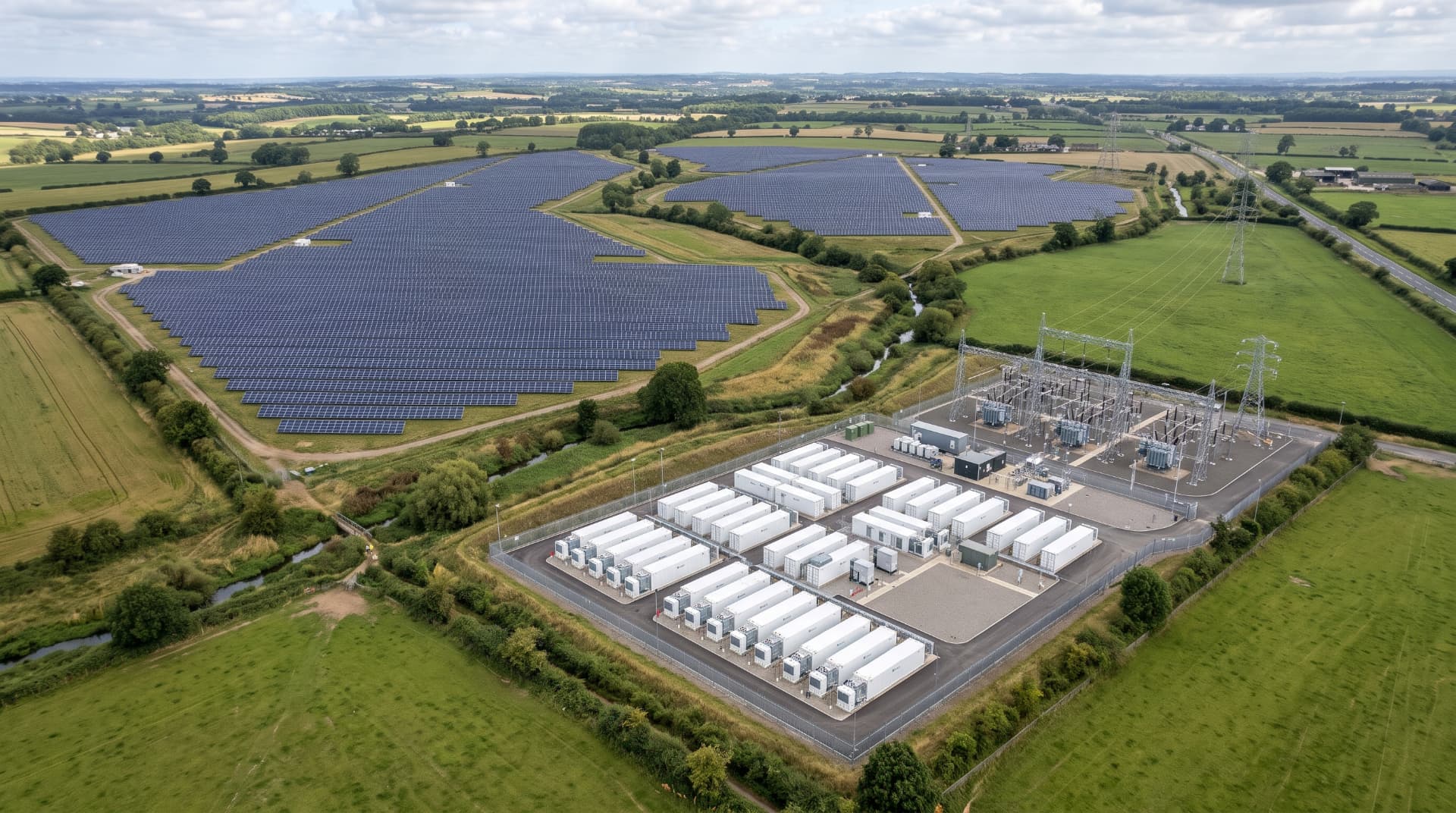
For data centres, the NPPF now specifically recognises that grid connections, water and wastewater capacity may dictate where a data centre can realistically go. It even refers to opportunities to co-locate major electricity generators and major users of power such as data centres. These developments simply can’t be treated like a generic warehouse or office where there are dozens of interchangeable sites.
For developers, a well-chosen commercial or data-centre site has stronger national policy behind it.
For landowners, it may be worth looking again at sites that have previously only been considered for conventional industrial, logistics or employment uses.
For land close to substantial power capacity or other strategic infrastructure, this policy adoption could now be just as important as the land itself.