NPPF 2026: Solar and BESS
27 October 2026 · 2 min read
By Silas Willoughby, ABW Planning
 Planning Policy
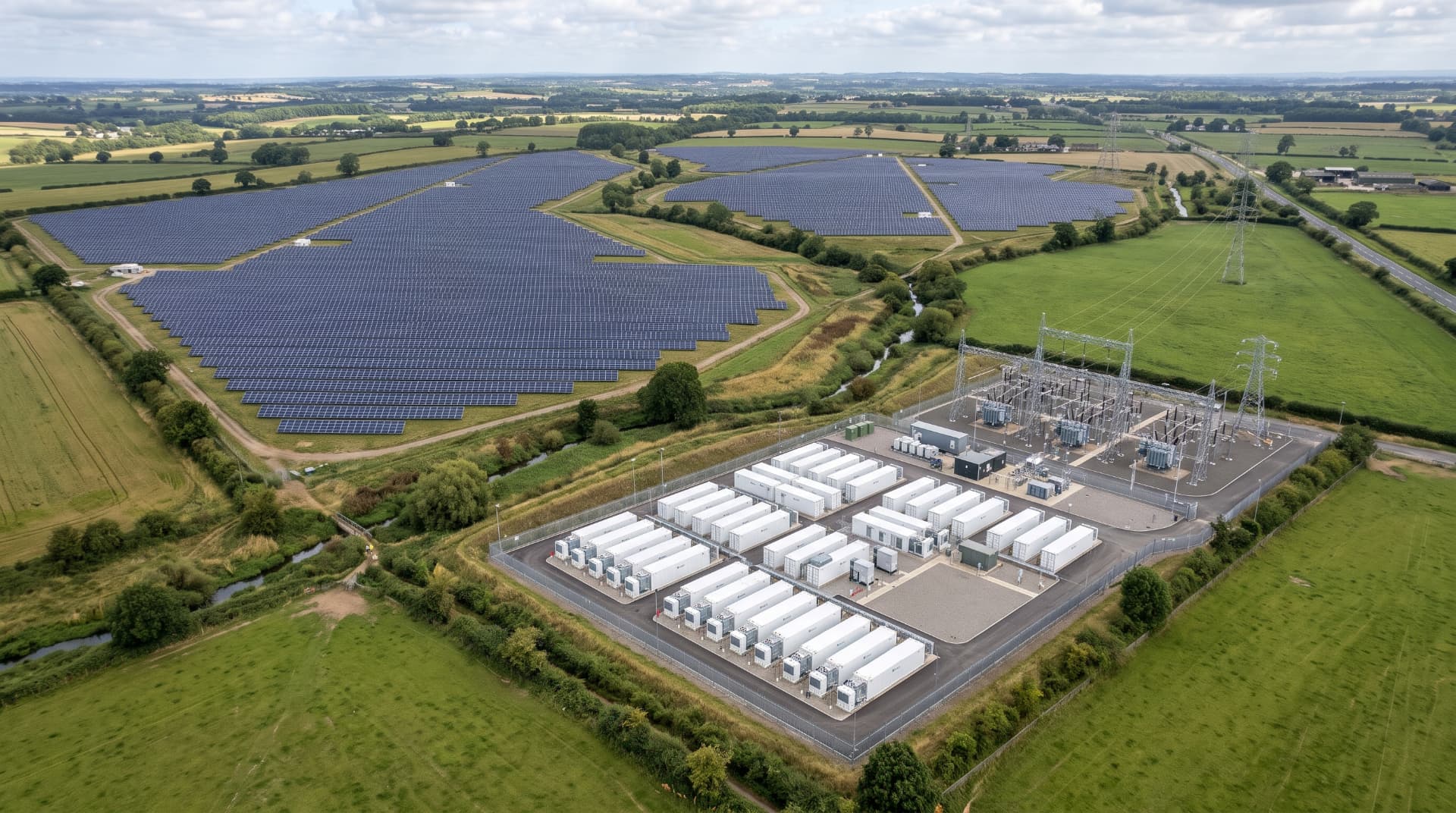
Policy W3 says substantial weight should be given to the benefits of renewable and low-carbon energy and electricity-network infrastructure, including energy security, economic development and transition towards net zero. Applicants are also told that they do not need to demonstrate the need for renewable or low-carbon energy development. The NPPF now specifically includes Battery Energy Storage Systems (BESS) within both short and long duration storage of renewable and low-carbon energy.
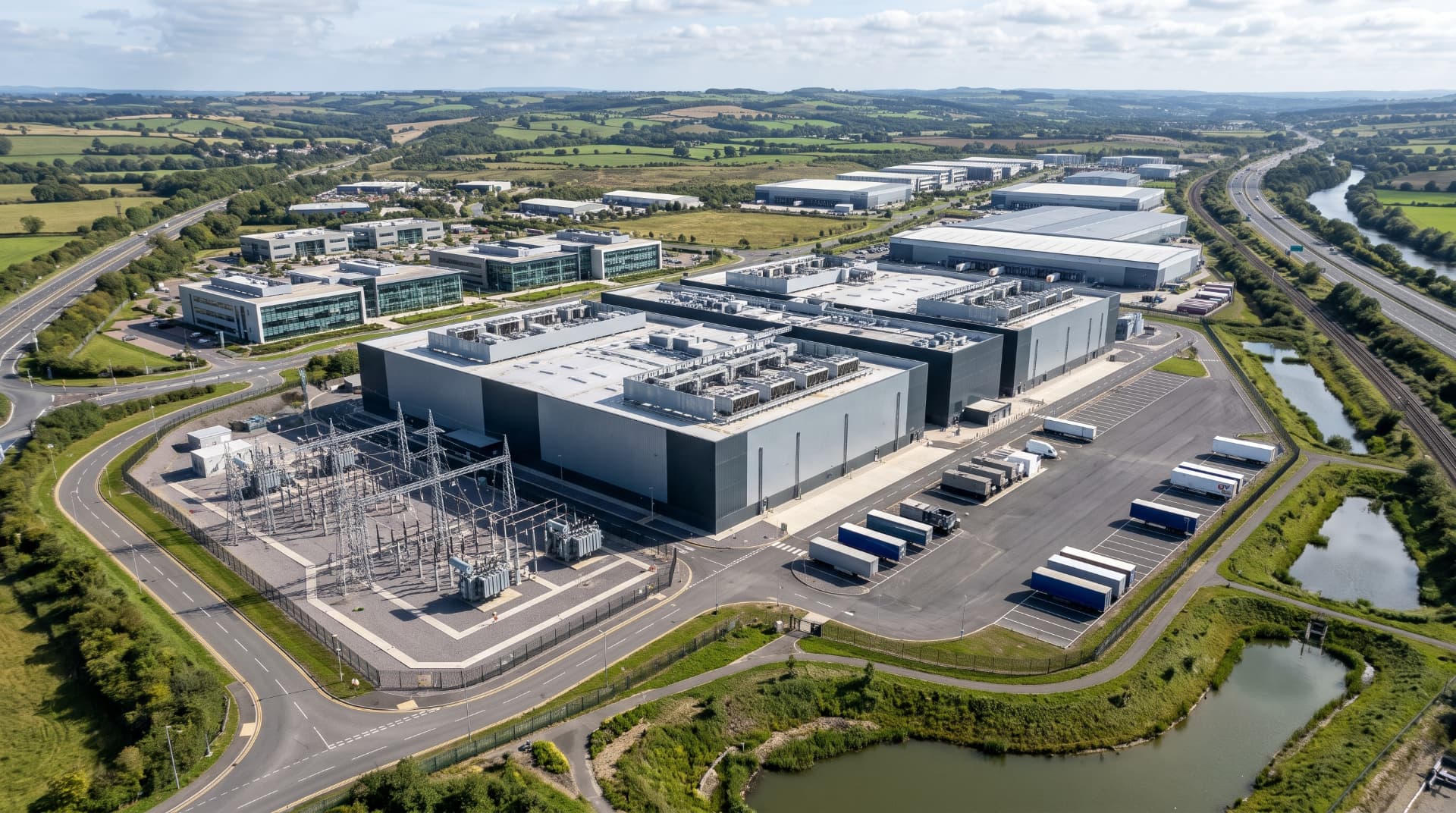
For landowners, I think this reinforces something that is already becoming increasingly important where grid availability can completely change the development potential of a piece of land. A site with limited realistic prospects for housing or conventional commercial development can look very different if it sits close to a viable electricity connection. Solar and BESS should therefore increasingly be looked at as genuine development strategies, rather than simply an alternative agricultural income stream.
Site selection still matters as the NPPF retains protection for agricultural land quality and says that where significant development of agricultural land is necessary, poorer-quality land should be preferred where possible. Landscape, ecology, Green Belt and flood-risk considerations all still apply.
So whilst solar or BESS will not get approved everywhere, but the national benefits hold substantial weight of the planning balance, which is a much stronger place to start!